
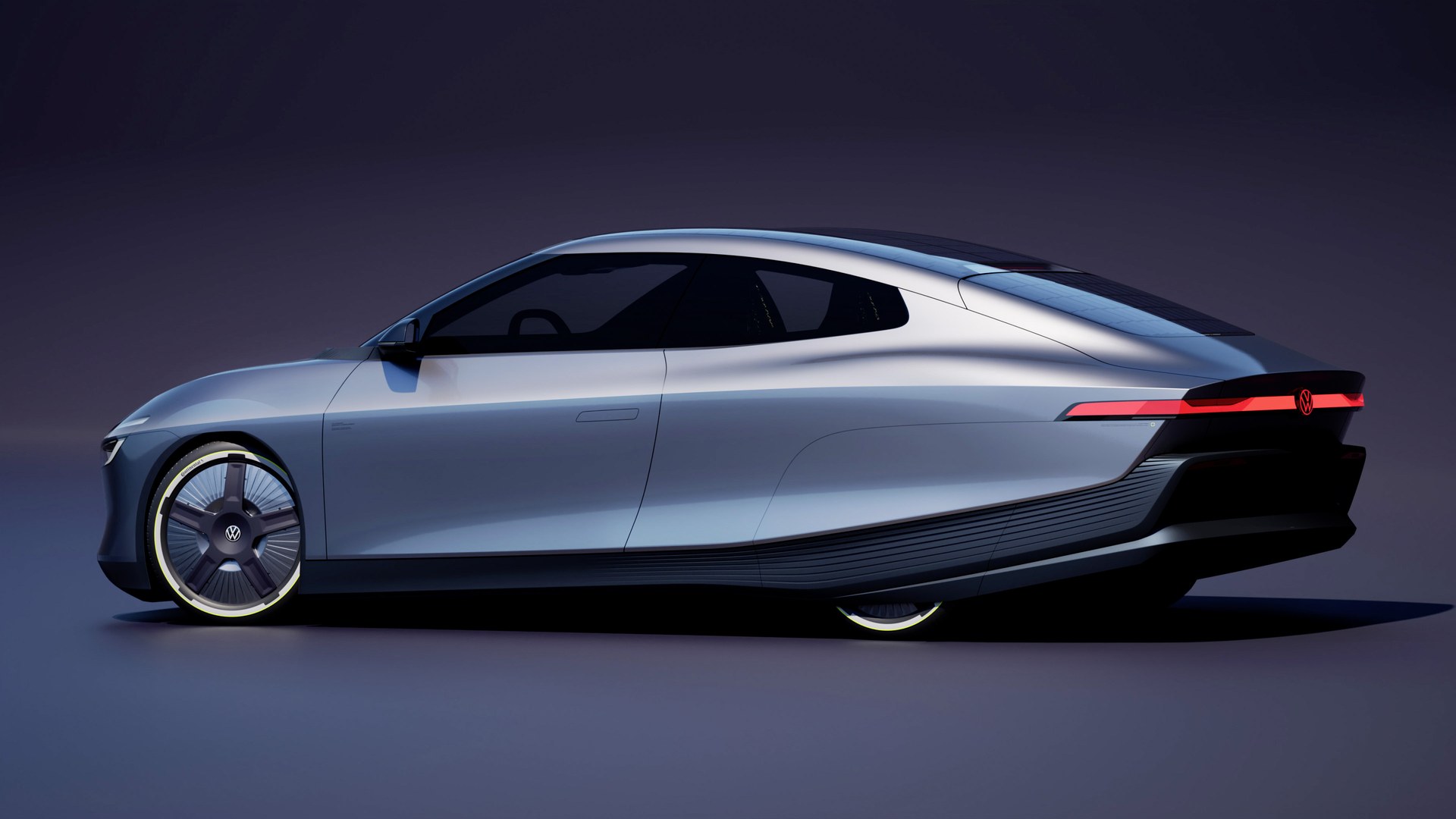
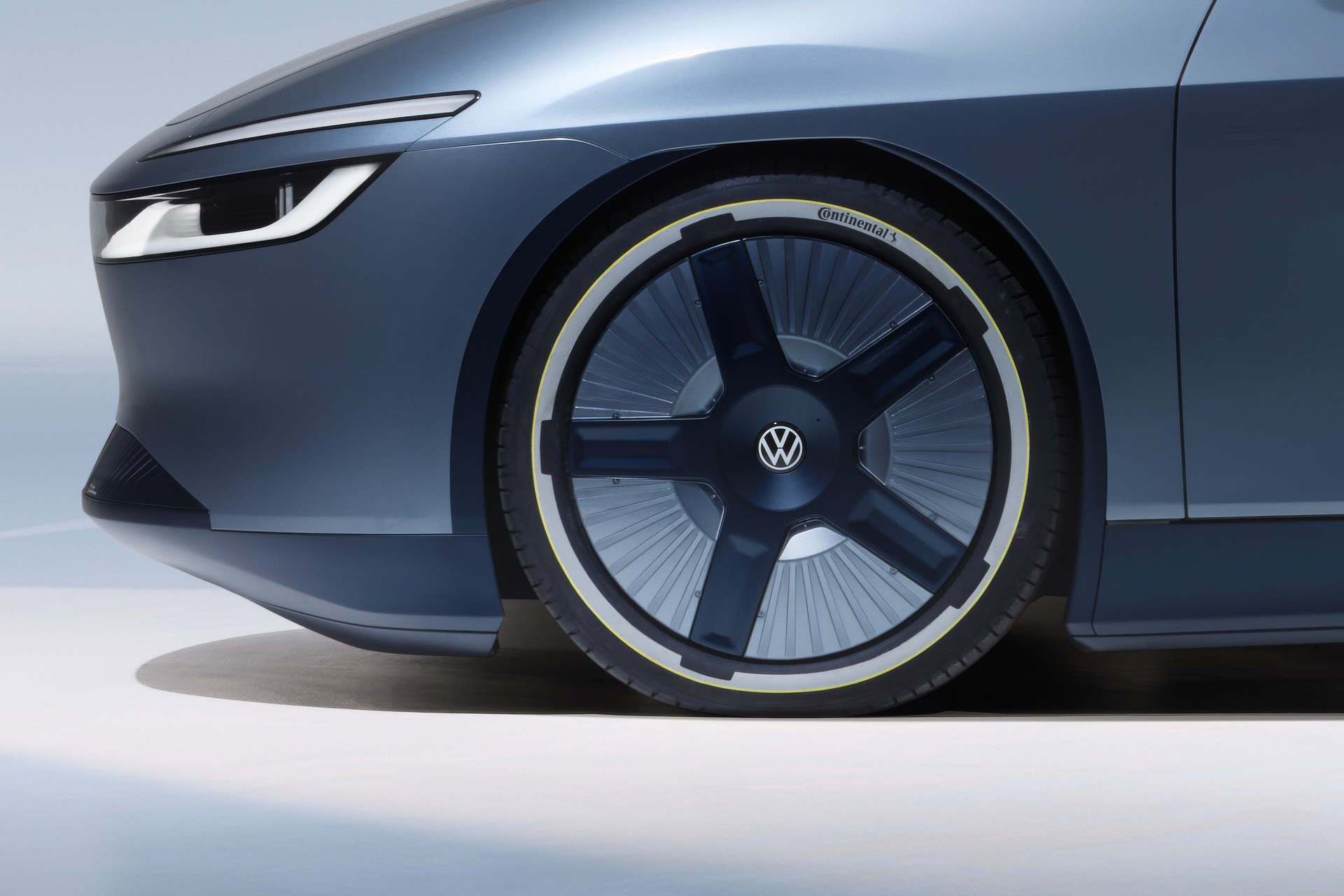
A Volkswagen concept vehicle set a world record for EV energy efficiency on August 24, 2026, consuming just 7.51 kWh/100 km — including charging losses — on a certified 1,278.36 km drive from Wolfsburg to Vienna. Continental supplied a specially developed concept tyre that the company says was a decisive factor in achieving the result, with rolling resistance of 4.9 kg/tonne — roughly 25% below the threshold for the EU tyre label’s highest class A rating.
The record, which required only one charging stop and concluded with 164 km of remaining range, was officially verified by RID — Rekord-Institut für Deutschland. The concept vehicle is described by Volkswagen as the world’s most efficient near-production electric car, and was driven under real-world conditions rather than controlled laboratory settings.
☰
Why Rolling Resistance Matters for EV Range
Tyre rolling resistance accounts for around 20% of EV propulsion energy. Every revolution causes the tyre to deform slightly where it contacts the road, consuming energy that would otherwise contribute to vehicle range. The lower the rolling resistance, the further a car travels on the same battery charge — making tyre development one of the few areas where significant range gains remain possible without enlarging the battery pack.
“The record shows that increasing the range of electric cars does not necessarily require larger batteries,” said Dr. Christian Strübel, Continental’s expert in rolling resistance for passenger-car tyres. “Together with Volkswagen, we’ve demonstrated what’s possible when vehicle, aerodynamics and tyre development are aligned from the very beginning.”
What Makes the Concept Tyre Different
The concept tyre is based on Continental’s production EcoContact 7, which already offers low rolling resistance in its standard form. For the world record attempt, it was modified to reduce energy losses further. Two areas received particular attention: the sidewall and the tread compound. The sidewall follows the same design principle as the EcoContact 7, providing structural stability without increasing rolling resistance. The tread compound was specifically tailored to work in concert with the carcass and tread pattern.
A novel manufacturing process also contributed to the result. Continental used differential vulcanisation — heating different parts of the tyre to different temperatures during the curing stage. The tread, for example, was cured at a different temperature from the sidewall, allowing the properties of each zone to be optimised independently. According to Continental, this results in lower rolling resistance in the tread specifically.
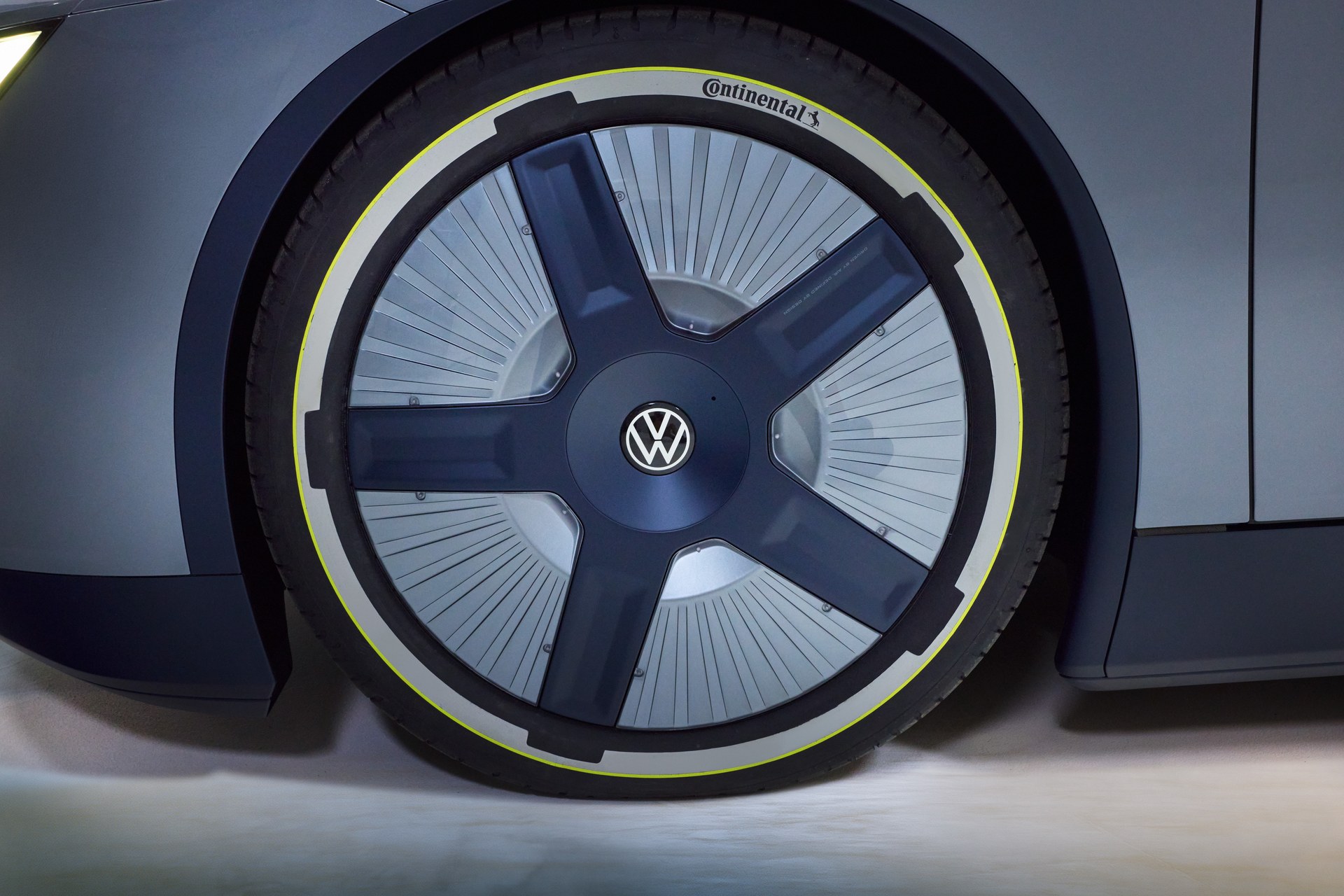
Rolling noise reduction was also built into the design. The tread pattern uses varied block spacing and angles so that sound waves generated at different blocks partially overlap and cancel each other out — a principle similar to noise-cancelling headphones, according to the company.
Key Numbers at a Glance
| Metric | Value |
|---|---|
| Energy consumption (incl. charging losses) | 7.51 kWh/100 km |
| Energy consumption (excl. charging losses) | 6.89 kWh/100 km |
| Route distance | 1,278.36 km (Wolfsburg–Vienna) |
| Charging stops | 1 |
| Remaining range at destination | 164 km |
| Concept tyre rolling resistance | 4.9 kg/metric ton |
| vs. EU label class A threshold | ~25% below |
| Record certified by | RID – Rekord-Institut für Deutschland |
| Certification date | 24 August 2026 |
Production Context: EcoContact 7 and the ID. Polo
Continental notes that the concept tyre used in the record attempt is not currently available as a production product. The EcoContact 7, on which it is based, is already one of the lower-rolling-resistance options in the market — it has recently been approved as original equipment for several electric vehicles, including the Volvo EX60. Continental also supplies original-equipment tyres for the production Volkswagen ID. Polo.
Continental has separately pursued concept-tyre research with high recycled-material content, pointing to a broader effort to explore what is achievable beyond current production constraints.
What This Means for EV Drivers
The demonstration highlights a practical point for anyone purchasing an EV: tyre choice has a measurable impact on real-world range. Production tyres with EU label class A rolling resistance are already commercially available and represent the highest category in the current labelling system — but the concept tyre’s 4.9 kg/ton figure suggests there is technical headroom beyond that. Whether differential vulcanisation or similar processes migrate to production tyres, and on what timeline, Continental has not stated.